Baltic Triangle Apartments: What Liverpool City-Centre Buyers Should Know | SOLM Property
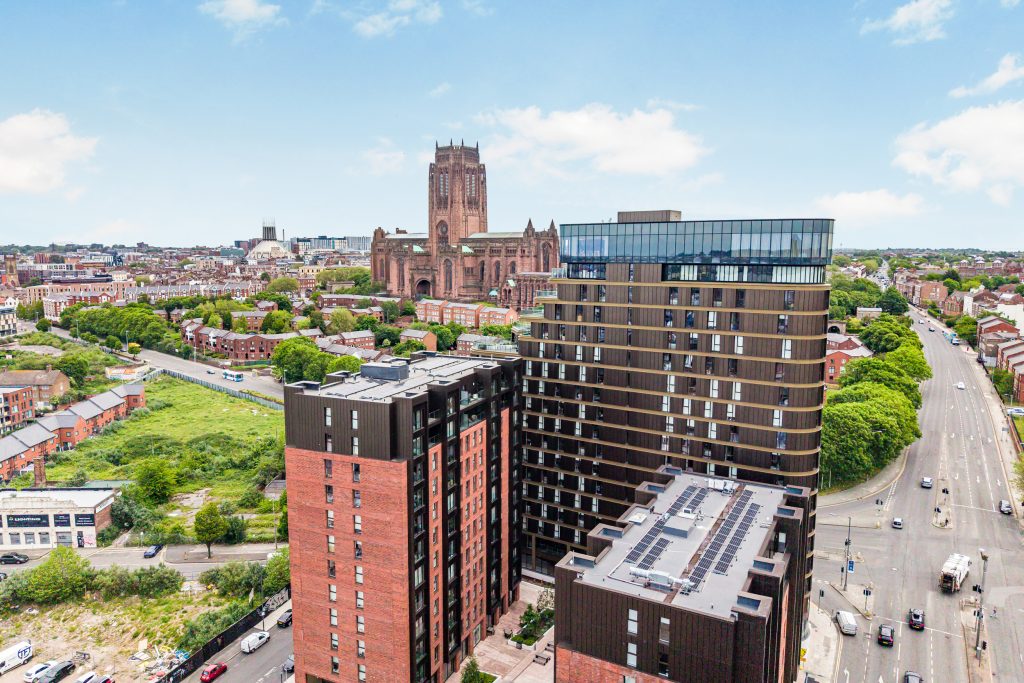
The Baltic Triangle is one of the most talked-about places to live in Liverpool, and apartments here are marketed hard, particularly to investors. The lifestyle is a real draw, but buying a city-centre flat is not the same as buying a house, and there are things you need to check that simply do not apply to a terrace in the suburbs.
This is an honest guide to what the area is like and, just as importantly, what to look into before you buy an apartment here.
What the Baltic Triangle is
Sitting just south of the city centre and Liverpool ONE, close to the waterfront and the Royal Albert Dock, the Baltic Triangle has gone from a run-down industrial quarter to one of Liverpool’s coolest districts in little more than a decade. It is the city’s creative and digital hub, full of warehouse conversions, independent bars and eateries, street food at Baltic Market, Cains Brewery Village, galleries and a genuine nightlife and festival scene. The Times has listed it among the coolest places to live in Britain, and that reputation is well earned.
It is also well connected. The city centre is a short walk away, and a new Baltic railway station is planned for the area, expected around 2029, which would improve links further. For young professionals and renters who want to be in the middle of things, the appeal is obvious.
The apartments
Housing here is almost all apartments, a mix of modern new-builds and conversions, often in developments with on-site gyms, concierge and parking. Names like One Baltic Square, the Cargo Building, Kings Dock Mill, Parliament Square and the various X1 schemes give a sense of the scale of building that has gone on. For buyers, the plus points are clear: low-maintenance, lock-up-and-leave living, generally good energy efficiency, and strong rental demand from the professionals and students who want to live here.
That is the attractive half of the picture. Here is the half the sales suites tend to skip.
Buying a flat is not like buying a house
City-centre apartments come with a set of considerations a house buyer never has to think about, and they can make a real difference to what your flat costs to own and what it is worth when you come to sell.
Leasehold. Almost all flats are leasehold, which means you own the property for a fixed term but not the building or the ground it sits on. Check how many years are left on the lease, because a short lease is expensive to extend and can affect your ability to get a mortgage. The government’s guide to leasehold property is a useful starting point.
Service charges. These pay for the upkeep of the building and communal areas, and in blocks with a gym, concierge and lifts they can be substantial. They have also risen sharply in recent years. Ask for the actual current figure and the history of increases, not a rough estimate, because a high service charge eats into both your budget and, for investors, your yield.
Ground rent. Newer leases should have little or no ground rent following recent reform, but some older leases carry ground rents that escalate over time, which have caused real problems with mortgages and resale. Check exactly what applies.
Building safety. For taller blocks in particular, ask about cladding and building safety, and whether the relevant safety paperwork is in place. Unresolved building safety issues can make a flat difficult to mortgage and can hit its value hard, so this is not a box to leave unticked.
The honest truth about resale
This is the point that matters most and gets talked about least. Liverpool city centre has a large and growing supply of apartments, with many more built or planned. That oversupply has consequences. In recent years, city-centre flat values across Liverpool have been broadly flat while houses in the wider city have risen, and flats are widely expected to continue underperforming houses.
There is also the question of who you sell to. A lot of these apartments are bought by investors, and when you come to sell, your buyer is often another investor rather than an owner-occupier, which can make them slower and harder to sell on. Be especially wary of off-plan and new-build schemes sold at a premium with optimistic yield projections, because that premium can take years to recover on resale.
None of this means do not buy here. It means buy with your eyes open, for the right reasons.
Who city-centre apartments suit
A Baltic Triangle apartment can be a great choice if you want lifestyle and low-maintenance living in the heart of the city, or if you are an investor focused on rental income, since Liverpool rents have been rising faster than prices and yields can be healthy. It is a weaker choice if you are banking on strong capital growth, or if you need space to grow into, where a house elsewhere in the city or across the water on the Wirral will usually serve you better. If you are buying to let, our first-time landlord guide is worth reading alongside this.
Thinking of buying in the Baltic Triangle?
We cover Liverpool, and we would far rather give you a straight view of a particular block, its service charges, its lease and its realistic resale prospects than watch you take a developer’s sales pitch at face value. Whether you are buying somewhere to live or somewhere to let, a bit of honest local advice before you commit can save you a great deal later.
If you are looking at an apartment in the Baltic Triangle or elsewhere in Liverpool city centre, get in touch and we will tell you what we actually think.